The Lagos investor's guide to the NGX — what you're really buying
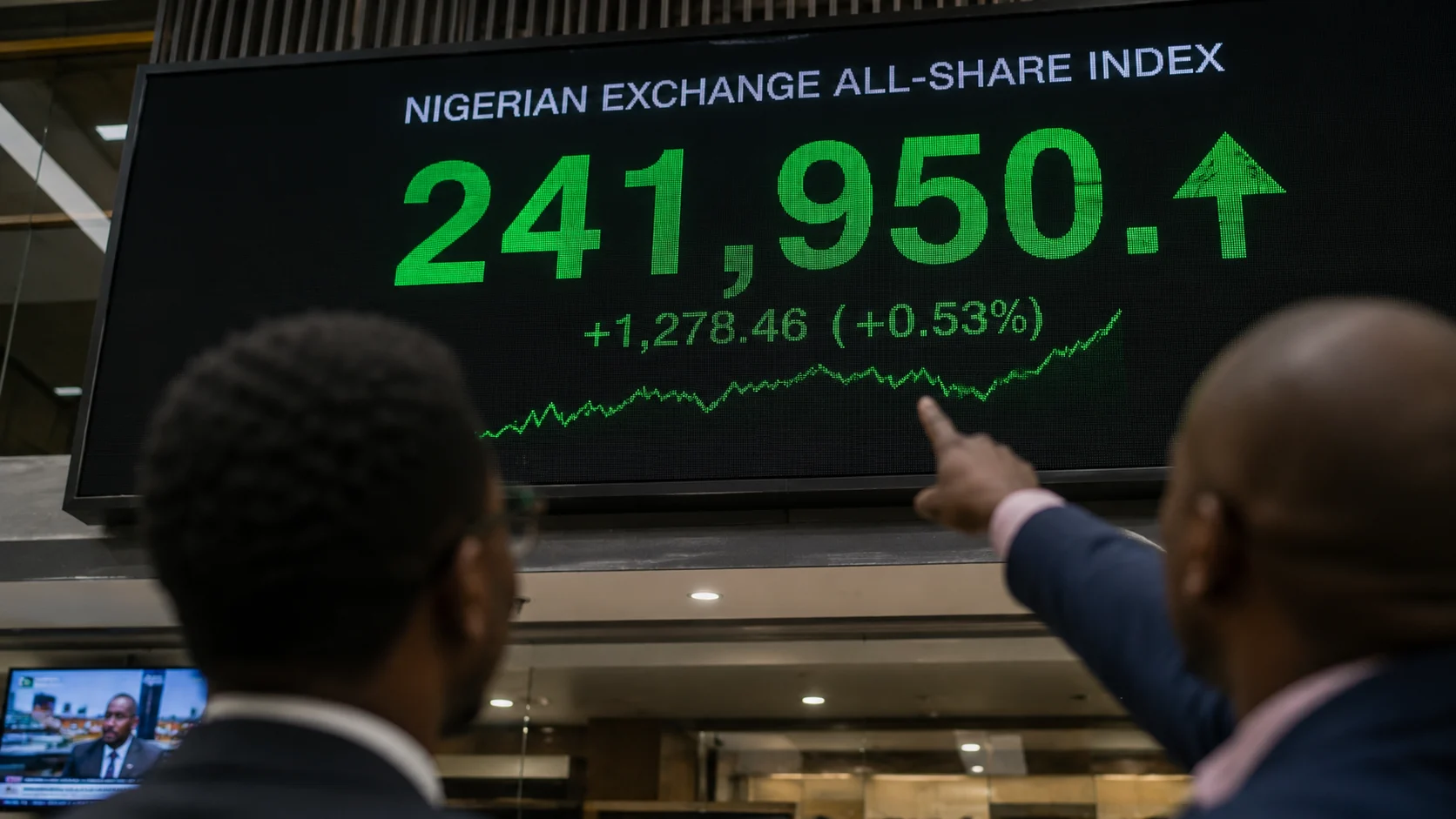
The NGX All-Share Index hit 241,950 on April 30, 2026 — an all-time high and a 55.48% gain since January. To put that in context: if you'd invested ₦1 million in the index on January 1, it would be worth ₦1.55 million today. The Oil & Gas sector led with a staggering 128% return, followed by Industrial Goods at 97%. Even the worst-performing sector (Insurance at 6.6%) beat a savings account.
But here's what most NGX trackers won't tell you: these stocks are Lagos. When you buy DANGCEM, you're buying every construction site in Lekki, every road project in Epe, every house being built in Ajah. When you buy MTNN, you're buying the data plan on every phone in Alimosho. When you buy NESTLE, you're buying the Maggi in every pot of jollof at Mile 12. The NGX is not an abstract financial instrument — it's a bet on the Lagos economy you live in every day.
The banking sector trades at P/E ratios of 0.9x to 2.0x — valuations that in any other market would trigger a buying frenzy. GTCO at 1.6x PE with 40% earnings growth, UBA at 0.9x PE below book value, Zenith paying 9% dividend yield. These are the banks where Lagosians keep their money, process their salaries, and run their businesses. The disconnect between their share prices and their earnings is the biggest opportunity — or the biggest trap — on the exchange.
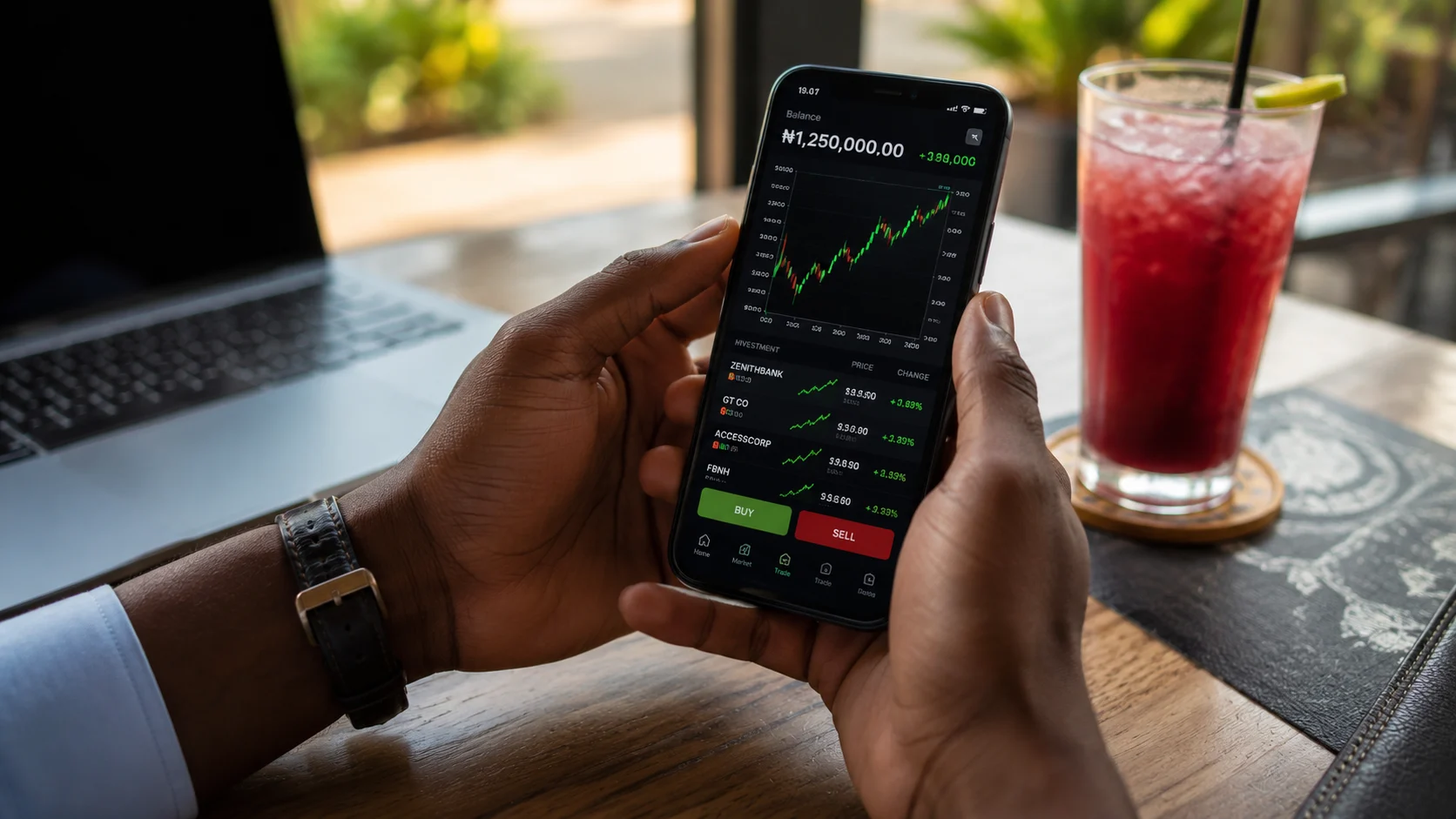
To invest, you need a CSCS (Central Securities Clearing System) account opened through any licensed stockbroker. Minimum investment: technically ₦0 (you can buy a single share of FCMB at ₦10.85). Brokers like Meristem, Chapel Hill Denham, Stanbic IBTC, and ARM offer online trading platforms. The market trades 9:30 AM to 2:30 PM WAT, Monday to Friday.