🇯🇵 Japanese Yen to Naira today
Live black market and CBN rates · Updated 26 October 2026
💱 Currency Converter
Why Nigerians need Japanese Yen
Japan is the source of most used vehicles imported into Nigeria. The Tokunbo (used car) market in Lagos is powered by Japanese exports — Toyota, Honda, Nissan, Lexus. Every car dealer in Berger, Trade Fair, or Cotonou needs JPY or USD to source vehicles.
Common Japanese Yen amounts to Naira
Quick reference for typical amounts
💡 Tips for getting the best rate
- • Compare 3–4 BDCs in Wuse Zone 4, Broad Street, or Allen Avenue before settling — rates can vary by ₦5–₦15 per unit.
- • Larger amounts ($5,000+) usually get better rates. Some BDCs reserve their best rates for repeat customers.
- • Avoid airport BDCs — they post rates 1–3% worse than city dealers.
- • Check rates twice on the same day — the parallel market moves hourly based on dollar supply.
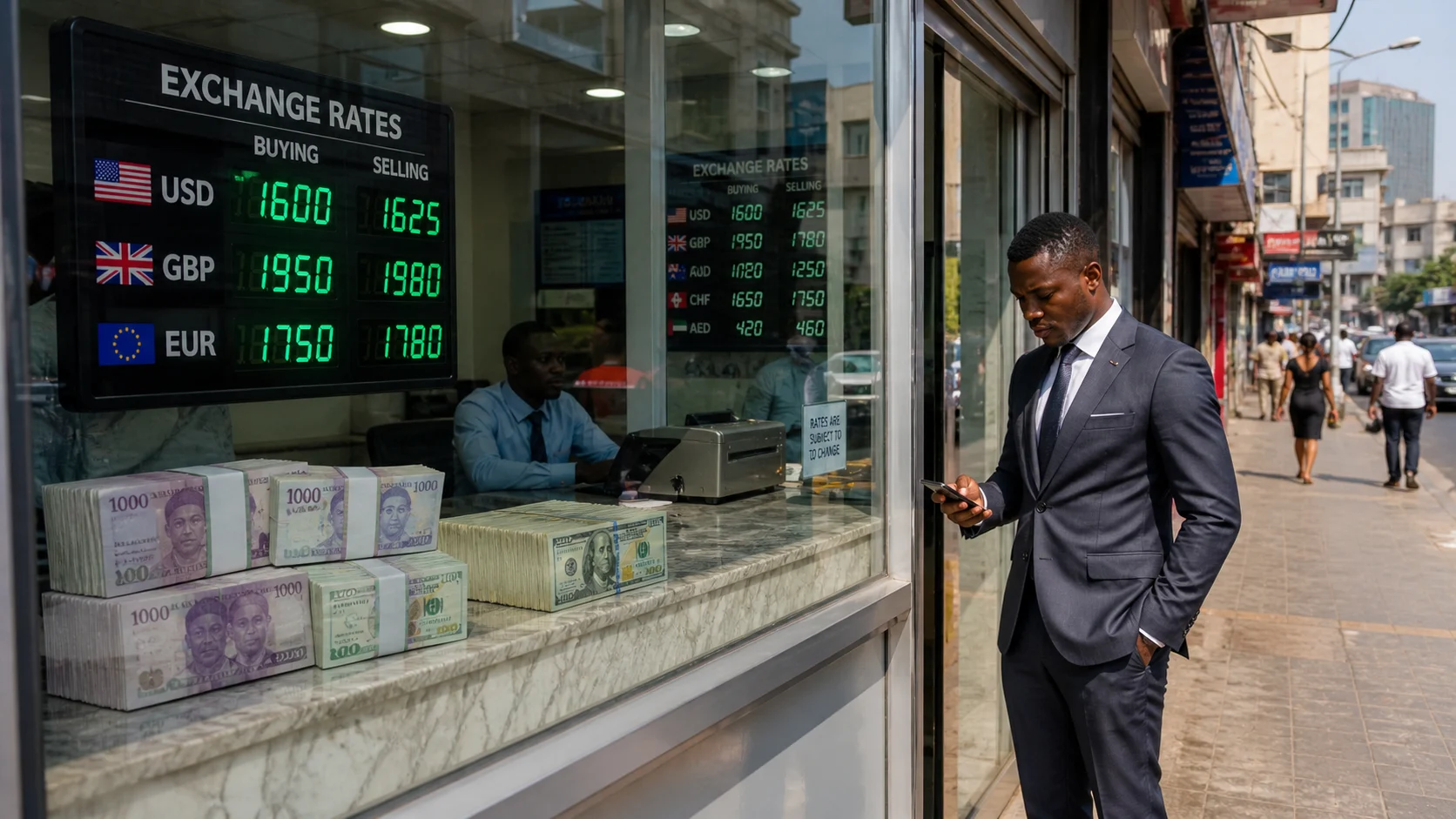
- • Always count notes carefully and verify serial numbers. Counterfeit dollars are common in informal markets.
📝 Japanese Yen & the naira
For Nigerians, the Japanese yen is above all the currency of cars. Japan is a major source of the used vehicles — the "Tokunbo" cars — that fill Nigerian roads, so the yen is the working currency of the vast used-car import trade, changing hands to buy vehicles at Japanese auctions and from exporters for shipment to Lagos and beyond. From the big dealers importing containers of cars to the individual sourcing a single vehicle, dealing in yen is part of the business.
The yen has a couple of quirks worth knowing. Its unit value is small — it takes many yen to equal a naira or a dollar, which is why yen amounts look large — and its cost in naira, like the other majors, ultimately tracks Nigeria's dollar conditions and the naira's broad strength, plus the yen's own well-known swings against the dollar on global markets. Because the yen can move sharply, the timing of a car purchase relative to the rate can meaningfully change the landed cost.
The practical realities are those of the vehicle trade. A car's cost is set in yen at purchase and recovered in naira on sale weeks later after shipping and clearing, so a rate move in between affects the margin — which is why car importers watch the yen and try to convert efficiently. Compare the total naira cost of paying via banks versus specialist channels, use verified routes for the substantial sums a vehicle involves, and factor exchange-rate exposure into the whole import calculation alongside shipping and customs. For Nigeria's large used-car trade, understanding the yen is part of understanding the price of the cars on the road.
Frequently Asked Questions
Important Disclaimer
The parallel market ("black market") exchange rates displayed on this page are collected from Bureau de Change (BDC) operators in Lagos and are provided for informational purposes only. These rates are indicative averages and may differ from the rate you receive in an actual transaction depending on your location, transaction volume, time of day, and the specific dealer.
Lagos.cool does NOT trade, buy, sell, or exchange any currency. We are an information platform only. We do not endorse, recommend, or facilitate any foreign exchange transactions. For currency exchange, please use licensed Bureau de Change operators, your commercial bank, or other authorized financial institutions.
The Central Bank of Nigeria (CBN) does not recognize the parallel market. The official CBN exchange rate, where shown, is the rate available through authorized financial institutions. Exchanging currency outside official channels carries risks including fraud, counterfeit currency, and legal liability. Always exercise caution and verify rates before transacting.
Rates are updated daily but may change multiple times within a single day. Lagos.cool makes no guarantee of accuracy, completeness, or timeliness. Exchange rates are not financial advice. Consult a licensed financial advisor for investment decisions.